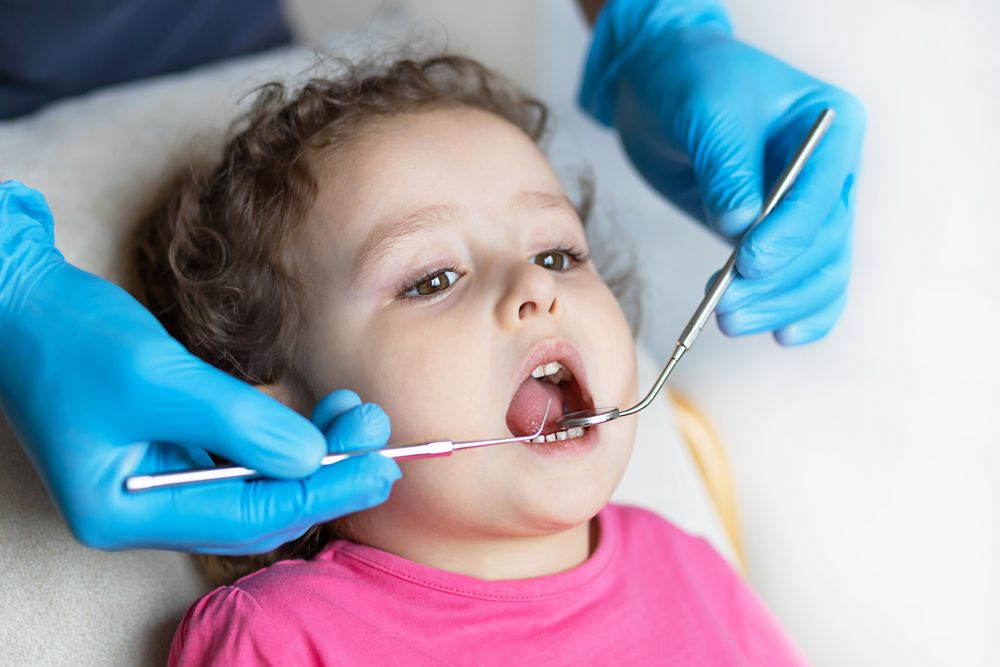
Strong teeth in childhood protect your child from pain, missed school, and costly care later. Fluoride treatments are a simple step that strengthens tooth enamel and helps stop early decay. You may already brush and floss with your child. Still, routine fluoride treatments add another layer of defense. A Modesto pediatric dentist can place a quick fluoride treatment during regular checkups. The process is fast and painless. Your child sits in the chair, opens wide, and the fluoride goes on as a gel, foam, or varnish. Then it hardens and starts protecting right away. This blog explains four clear benefits of fluoride treatments in pediatric dentistry. You will see how fluoride lowers the risk of cavities, supports weak spots before they turn into holes, saves money over time, and keeps daily care simple. With this knowledge, you can choose care that protects your child’s smile.
What Fluoride Does For Your Child’s Teeth
Fluoride is a natural mineral. It mixes with the surface of teeth and makes enamel stronger. Weak spots from early decay can harden again when they get regular fluoride.
Everyday life wears down enamel. Sugary snacks, juice, and soft drinks feed bacteria. Those bacteria make acid that attacks teeth. Fluoride helps teeth fight back. It slows that damage and supports repair.
You find fluoride in toothpaste and many public water systems. You can confirm the fluoride level in your tap water through your local water provider or state health department. Still, many children need extra help. Professional fluoride treatments give a measured dose that sticks to the teeth and stays longer than toothpaste.
Benefit 1: Fewer Cavities And Less Decay
Cavities are common in children. The Centers for Disease Control and Prevention reports that most children have had a cavity by age 8. Fluoride treatments lower that risk in a clear way. Regular fluoride changes the surface of the tooth so acid has a harder time breaking through.
Here is a simple view of how fluoride affects decay risk over time when used with brushing and flossing.
| Child’s fluoride care | Typical cavity risk | Common outcome by early teen years
|
|---|---|---|
| No fluoride toothpaste and no professional fluoride | Very high | Multiple fillings. Possible toothache and infection. |
| Fluoride toothpaste only | Medium | Some fillings. Occasional pain or sensitivity. |
| Fluoride toothpaste and routine professional fluoride treatments | Lower | Fewer cavities. Less need for shots and drilling. |
Fewer cavities mean fewer urgent visits, less missed school, and less stress for your child. You protect daily life, not only teeth.
Benefit 2: Protection For High Risk Children
Some children face a higher risk of tooth decay. These children need stronger protection.
Higher risk can come from three common factors.
- Frequent snacking or sipping sweet drinks
- Past history of cavities or weak enamel
- Ongoing medical treatment that dries the mouth
Saliva helps wash away food and acid. When the mouth is dry, acid sits on teeth longer. Fluoride treatments add a shield during those times. They support the tooth surface so it can handle dry mouth, frequent snacks, or other strains.
The American Dental Association explains that fluoride varnish is safe and helpful for children, even younger than age 6, when applied in the right amount by a dentist or hygienist.
Benefit 3: Lower Dental Costs Over Time
Fluoride treatments cost far less than fillings, crowns, or emergency care. Each small step now can prevent big treatment later. That means fewer visits for shots, drilling, and numbing.
Consider this simple cost comparison over several years.
| Type of care | Typical pattern over 5 years | Impact on cost and time
|
|---|---|---|
| No professional fluoride | More new cavities. Repeat fillings. Possible baby tooth removal. | Higher dental bills. More missed work and school. |
| Routine fluoride treatments twice a year | Fewer new cavities. Many teeth stay healthy with only cleanings. | Lower total cost. Shorter and calmer appointments. |
Early prevention also protects permanent teeth that come in around age 6 and older. When those teeth stay healthy, your child avoids root canals and crowns later. You also protect your family budget from sudden dental costs.
Benefit 4: Easier Daily Care For You And Your Child
Fluoride treatments do not replace brushing or flossing. They support those habits. When enamel is stronger, plaque does not harm as quickly. That support gives you a little more room when mornings or bedtimes feel hard.
You still aim for three simple steps.
- Brush with fluoride toothpaste twice a day
- Floss once a day when teeth touch
- Get regular cleanings and fluoride as your dentist suggests
When your child has fewer cavities, there is less fear of the dental chair. That trust can last for life. Calm visits help your child speak up about pain, ask questions, and take part in their own care.
Safety Of Fluoride Treatments
Parents often ask if fluoride is safe. In the right amount, it is safe and helpful. Dental teams use measured doses based on your child’s age and risk.
The U.S. Centers for Disease Control and Prevention explains that fluoride in community water and dental products reduces decay in children and adults.
You can support safe use at home through three steps.
- Use only a smear of fluoride toothpaste for children under 3
- Use a pea-sized amount for children 3 to 6
- Keep toothpaste and mouth rinse out of reach between brushing times
If you have concerns about medical issues or special needs, talk with your child’s dentist or pediatrician. They can tailor the fluoride plan to match your child.
When To Ask For Fluoride Treatments
Most children benefit from fluoride treatments every three, six, or twelve months. The schedule depends on cavity risk. During each visit, your child’s dentist reviews diet, brushing, and past decay. Then you both decide how often to apply fluoride.
You can start the talk by asking three direct questions.
- Is my child at high, medium, or low risk for cavities
- How often do you suggest fluoride treatments
- What can we change at home to support these treatments
With clear answers, you can plan ahead. You protect your child’s teeth with steady care instead of urgent fixes.
Helping Your Child Feel At Ease
Many children feel nervous about any dental visit. You can help by explaining what will happen in simple steps.
- The teeth will get cleaned
- The dentist will paint a special “tooth shield” on the teeth
- Your child waits a short time before eating or drinking
You can bring a favorite toy or book. You can also model calm breathing. When your child sees that fluoride treatment is quick and painless, worry often fades.
Taking The Next Step
Fluoride treatments protect your child from preventable pain. They lower the chance of cavities, shield high risk teeth, cut costs, and support simple home care. Each treatment is a short visit that can spare your child from long and stressful work later.
At your child’s next checkup, ask about fluoride. A short talk today can guard your child’s smile for years.