Proper storage and handling of ammunition components is really one of those fundamentals that keeps a safe environment going. Whether these parts are kept only temporarily or for longer periods, they need to be treated carefully and stored in compliance with the relevant laws and safety guidance where you are. If you can grasp a few basic habits about how storage works, you can lower the chances of damage, contamination, or accidental exposure.
9mm Once Fired Brass
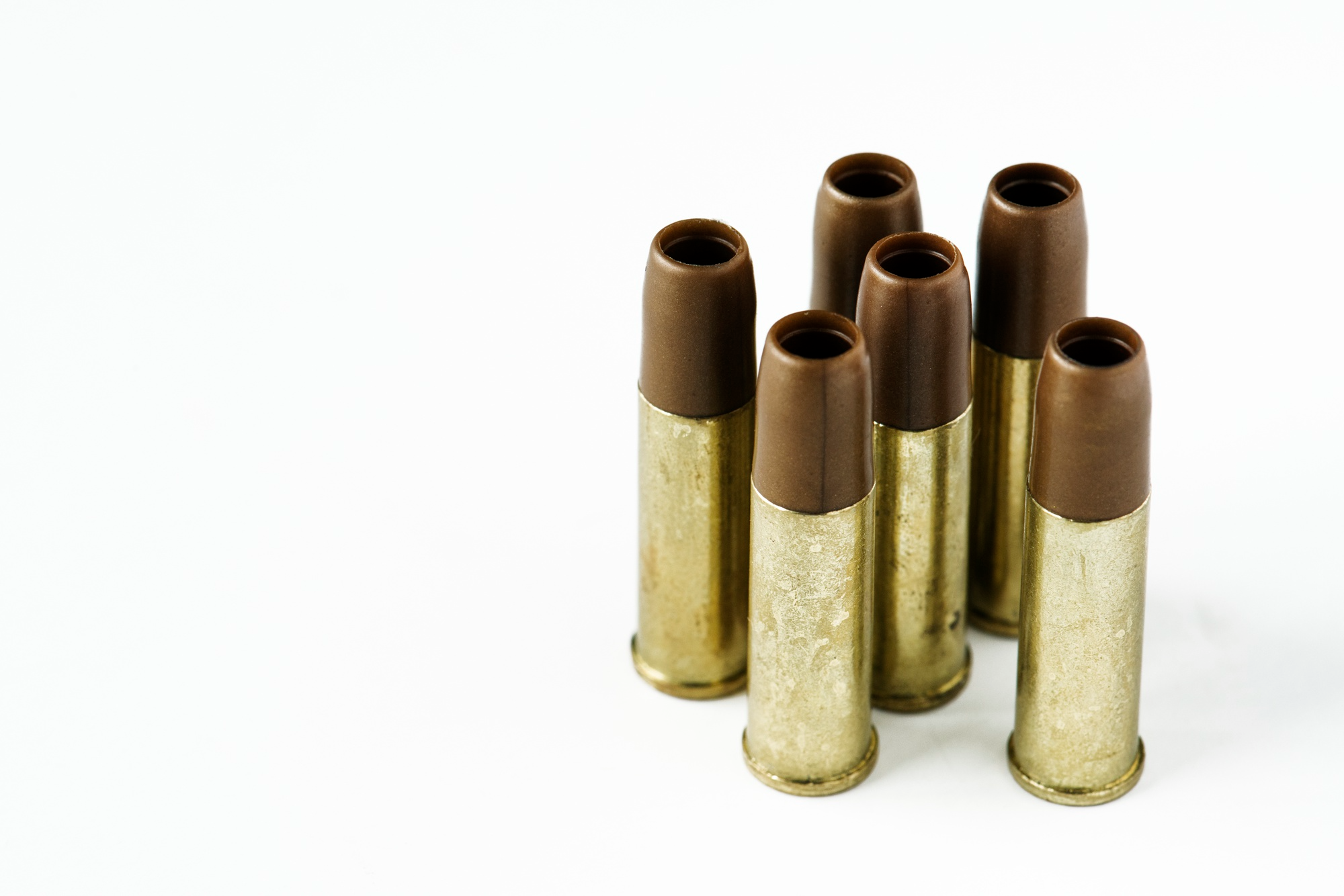
9mm once fired brass means cartridge cases that have already been fired. You might notice normal wear like discolouration, light marks, or small surface changes, that kind of thing. Since these used cases have already been through firing conditions, you should treat them as ammunition-related components and handle them responsibly, not casually.
Don’t mess with, modify, or try to process cartridge cases you do not recognize unless you’re properly trained and legally allowed to do so. If a case looks cracked, heavily corroded, or just seems odd in any way, it’s usually smarter to not handle it unnecessarily and instead ask for advice from a qualified professional.
Keep Components in a Dry Location
Moisture is a real problem; it can accelerate corrosion and lead to metal deterioration over time. Store ammunition-related materials in a cool, dry spot, away from water, high humidity, and any areas that are known for condensation.
Try not to keep them near sinks, bathrooms, outdoor spaces, or places where moisture levels can bounce around a lot. It’s the fluctuation that tends to cause trouble even if the overall area seems “fine” sometimes.
Keep Away From Heat and Open Flames
Ammunition and related components should stay away from open flames, sparks, and extra heat. Don’t place them near heaters, stoves, furnaces, or any other heat-producing equipment.
A stable storage setting helps reduce unnecessary risks and protects the materials from environmental wear and tear; basically, it keeps everything calmer and more controlled.
Use Secure Storage
Ammunition-related materials should be stored securely and kept well away from children and people who are not authorized. Depending on local rules and the exact situation, a proper locked setup might be required. At the same time, try to keep storage zones organized, so it’s easier to spot which items are which and prevent accidental blending or plain confusion.
Avoid Unnecessary Modification
Please do not take ammunition apart, or mess with it, alter it, or test it, unless you have the right training, the right gear, and the required legal approval. When things are handled the wrong way, it can lead to serious safety hazards.
And if you’re uncertain about a component, don’t try to “figure it out” through experimentation. Instead, consult a qualified firearms professional, or follow what the manufacturer describes in their safety guidance.
Follow Local Regulations
The rules about owning, storing, transporting, and getting rid of ammunition and related components differ from place to place. So always verify what applies where you live, and follow the official safety requirements.
When you need to dispose of unwanted or damaged ammunition-related materials, reach out to a local authority or an authorized disposal service for direction. Don’t put potentially dangerous items into normal home trash.